
Gino Cosme is a BACP and NCPS-registered gay therapist with ten years of clinical work specialising in gay male psychology, shame, identity development, relationship patterns, body image concerns, and the patterns that form when you spend years adapting to environments that did not fully see you.
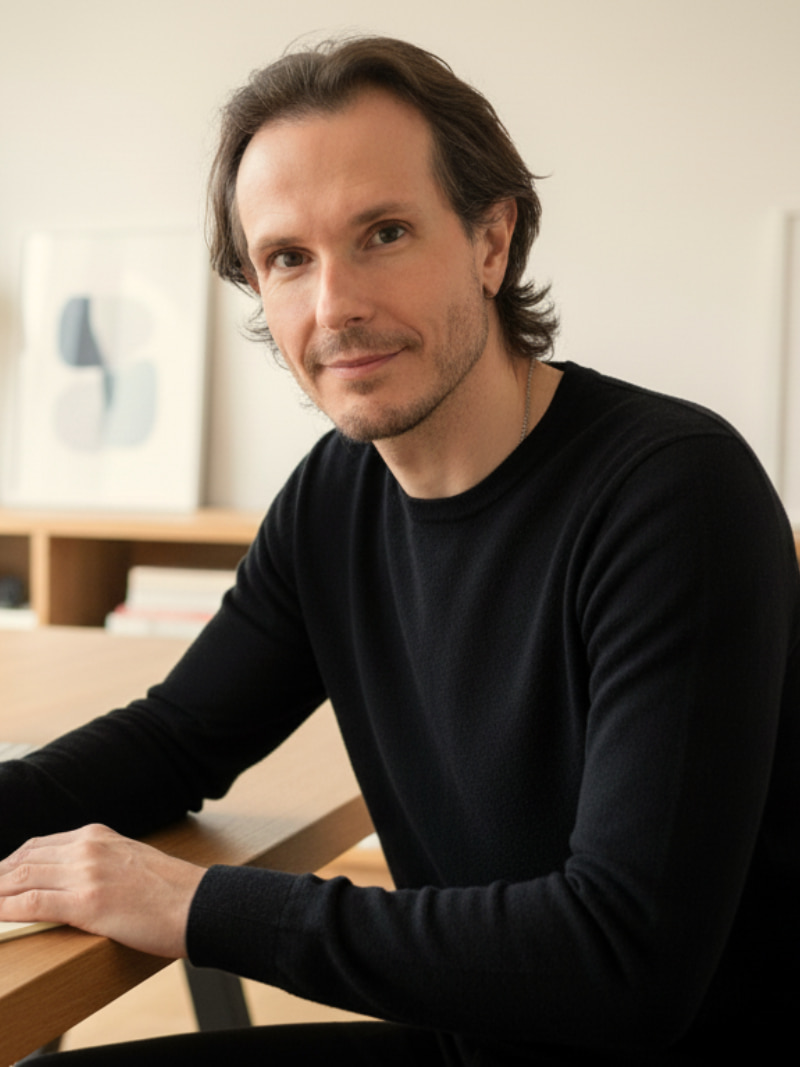
I trained in psychology in South Africa, completed postgraduate clinical work in Portugal, and built a career in search and digital strategy before shifting into psychotherapy full time in 2015. The first career taught me how much of adult life is performance. The second taught me how expensive that performance gets, particularly for gay men who learned to perform early and never fully stopped.
I am a gay therapist who is BACP and NCPS-registered in the UK, HPCSA-registered in South Africa, and work in English across multiple time zones. I am currently based between Lisbon and London.
I work integratively, drawing on psychodynamic, attachment-based, and relational frameworks, shaped by minority stress theory and ten years of clinical work with gay men around shame, intimacy, anxiety, body and sexual anxiety, loneliness, and the private cost of appearing fine.
I also write Unfiltered Clarity, a weekly publication on the psychological patterns gay men experience.
What can be named precisely becomes harder to obey blindly. Patterns don’t change because you understand them. They change because someone finally names them accurately.Gino Cosme, on the clinical orientation
Psycosme is a specialist therapy practice for gay men. It is not a general practice that also welcomes gay clients. That distinction matters. The frameworks, the language, and the clinical questions are all built around the specific psychological terrain gay men navigate. They are not adjusted from something designed for someone else.
The work is understanding what is actually happening. With enough clarity, patterns that once felt like personal failings begin to make sense in the context that produced them. That shift changes how you relate to yourself and what comes next.
10+ years of clinical work with gay men across Europe and internationally informs both ways of working: clinical therapy and developmental coaching.
Minority stress, shame, identity development, relationship patterns, attachment patterns formed during formative years. These experiences often shape the very patterns people come to therapy for. Understanding them is essential to understanding the person sitting in the room.
The goal is to accurately understand what is happening now and what was happening when the pattern formed. That understanding creates a different relationship with the problem. Recognition has a way of enduring long after insight first arrives.
No manualised process. The work follows what the specific client is bringing, in the language that fits their specific history, with the clinical attention their specific psychology deserves.
Clinical therapy if you are a gay man in the UK, select European countries, or South Africa and the work needs months of holding. Coaching if you are anywhere in the world and want structured, forward-focused work. Pick the format. The orientation is constant.
Not ready yet? Read the clinical writing or explore the topic pages.